
Hydrothermal carbonisation (HTC)
Wet biomass becomes biochar
In HTC, biomass becomes biochar within a few hours under pressure and heat. We are developing the process for wastewater treatment plants and residues and are in the development and demonstration phase.
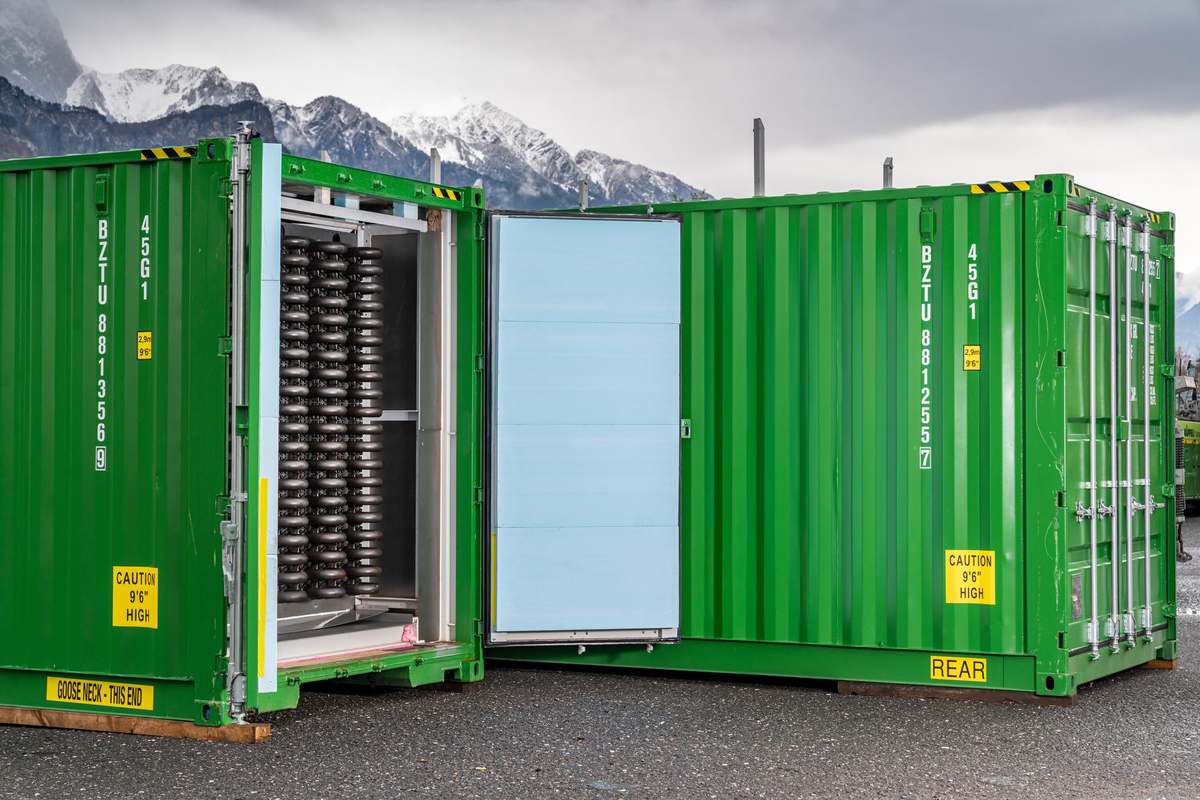
How HTC works
In a closed system, biomass is converted at around 200 °C and around 20 bar. The carbohydrates split into char and water, and the process releases energy. It takes a few hours; in nature it takes millions of years.
The process in three figures
approx. 200 °C
Temperature
In the closed system the biomass is heated to around 200 °C.
approx. 20 bar
Pressure
The pressure in the system is around 20 bar.
a few hours
Duration
The process takes a few hours; in nature it takes millions of years.
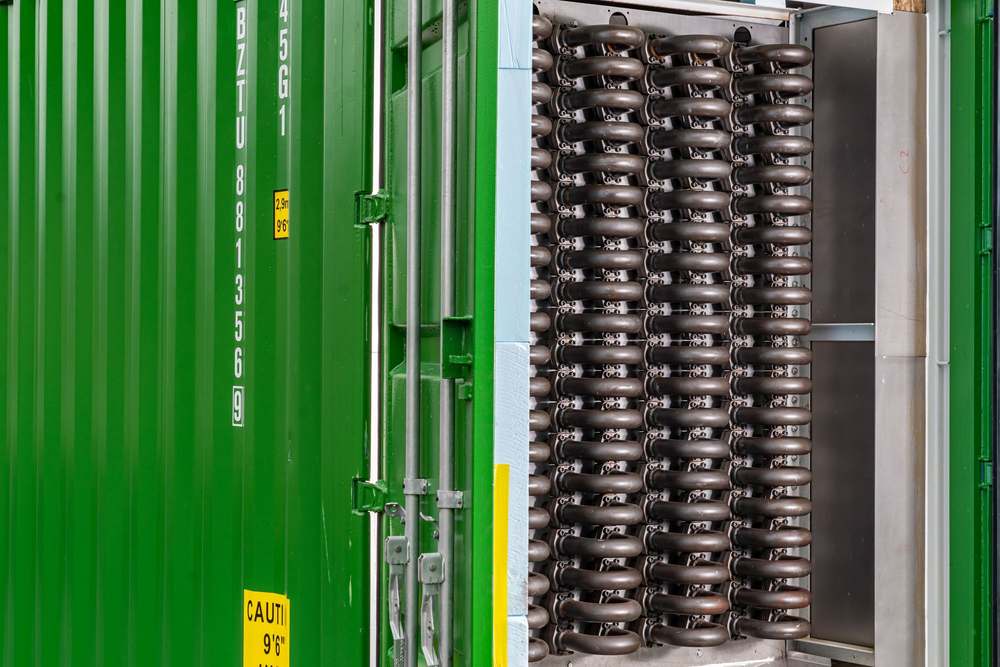
Sewage sludge and residues
The advantage for wastewater treatment plants: wet sewage sludge becomes biochar without additives, and the biochar dries easily. This creates a storable energy carrier on site.
In our test plant with a throughput of 180 to 200 l/h we carbonised sewage sludge from various Swiss wastewater treatment plants. Not all sewage sludge is the same: the differences were clear. It was also shown that 15 to 20% meat waste can be carbonised together with slurry.
Three routes for the biochar
Biochar can be used in three ways:
- Combustion in a cement works, in a waste incineration plant or for district heating.
- Storage, for example in concrete or in tunnels.
- Return to the soil in agriculture.
Switzerland aims to be climate-neutral by 2050 (net zero). The Climate and Innovation Act (Federal Act on Climate Protection Targets, Innovation and Strengthening Energy Security) has been in force since January 2025. Wastewater treatment plants cause 1 to 2% of Switzerland’s greenhouse gas emissions and must also reach the target. HTC can contribute to this.
Certificates for negative emissions are currently recognised only for pyrolysis char. Our goal is for HTC char to be recognised as well; that is not yet the case.
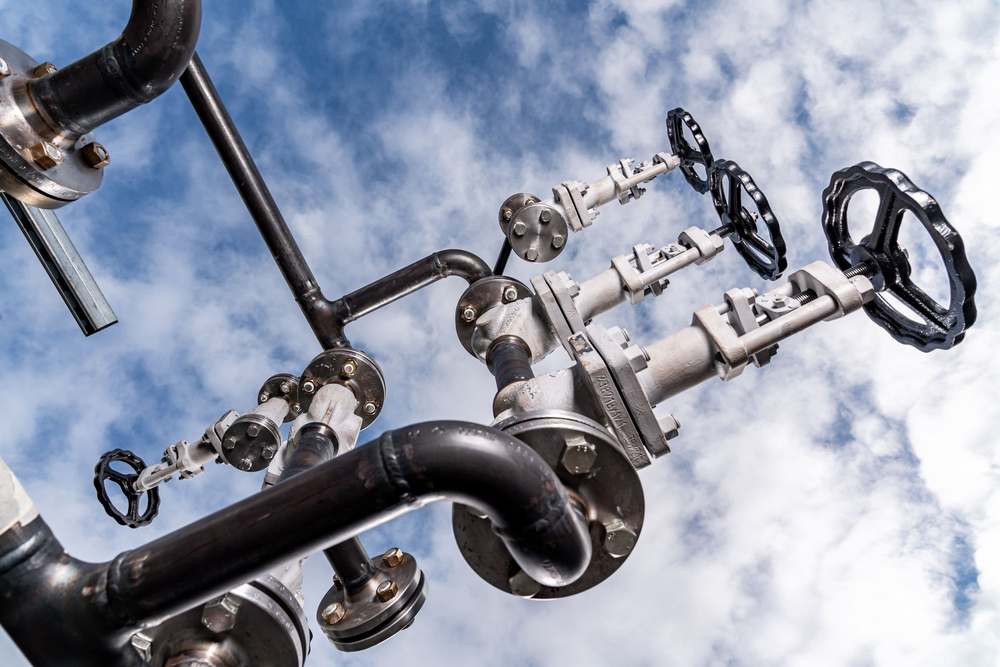
Where we stand
HTC at GRegio Energie AG is in the development and demonstration phase. We can document this:
- Pilot and demonstration project ‘HTC Innovationscampus Rheinmühle’ of the Swiss Federal Office of Energy (SFOE), 2018 to 2020. The final report is public (ZHAW Digital Collection, Mehli et al., 2021).
- Technical articles in Aqua & Gas (3/2021, 11/2024 and 2/2026) and in the SFOE technical article ‘In vier Stunden wird aus Bioabfall Kohle’ (in German; ‘In four hours, bio-waste becomes char’).
- Phoenixville wastewater treatment plant, Pennsylvania (USA): the first commercial HTC plant built with GRegio’s core technology, together with a partner.
- Pilot trials at the Buchs wastewater treatment plant in February 2025 and a market analysis. The ‘Carbon Cascade’ project is assessing whether an HTC plant can be used on a large scale.
- Test plant at pilot scale: 180 to 200 l/h, 180 to 200 °C, 20 bar.
Reference in the USA: Phoenixville wastewater treatment plant
The first commercial HTC plant with GRegio’s core technology was built at the Phoenixville wastewater treatment plant in Pennsylvania.
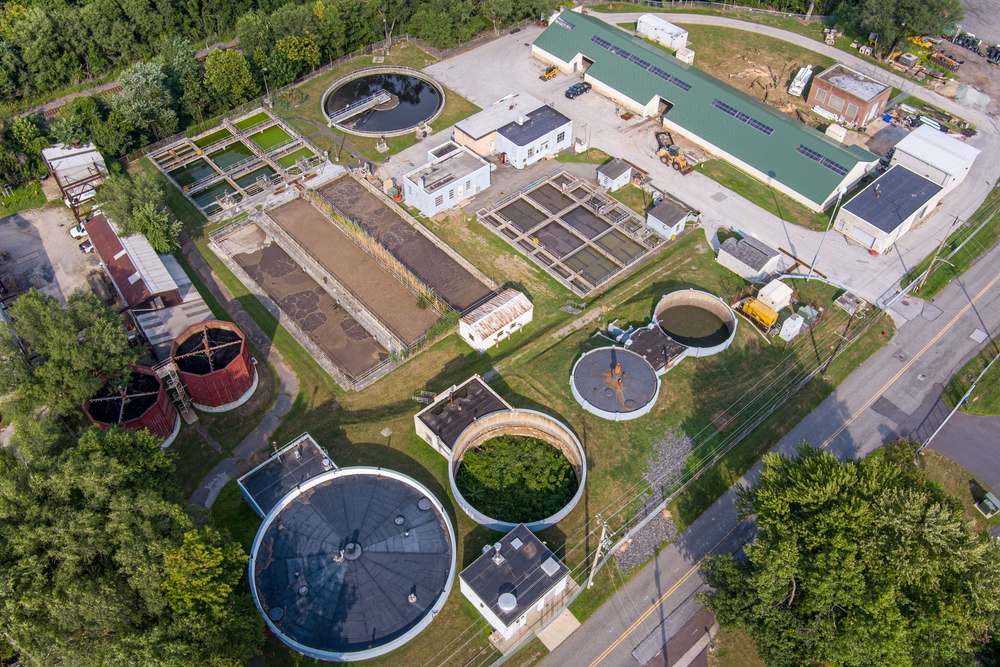
Phoenixville wastewater treatment plant, Pennsylvania (USA) 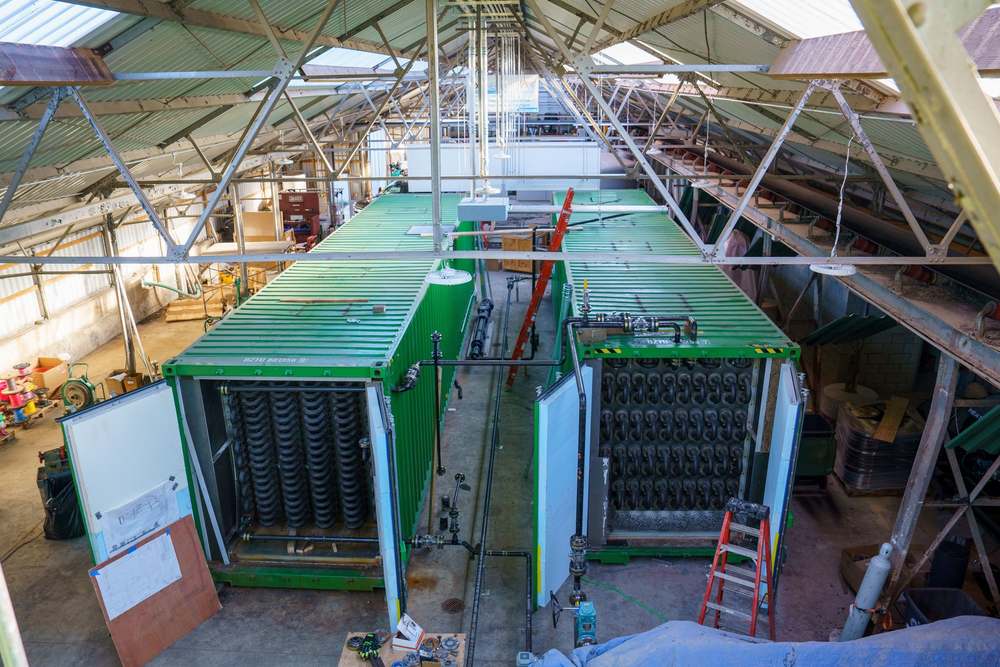
Phoenixville wastewater treatment plant, Pennsylvania (USA) 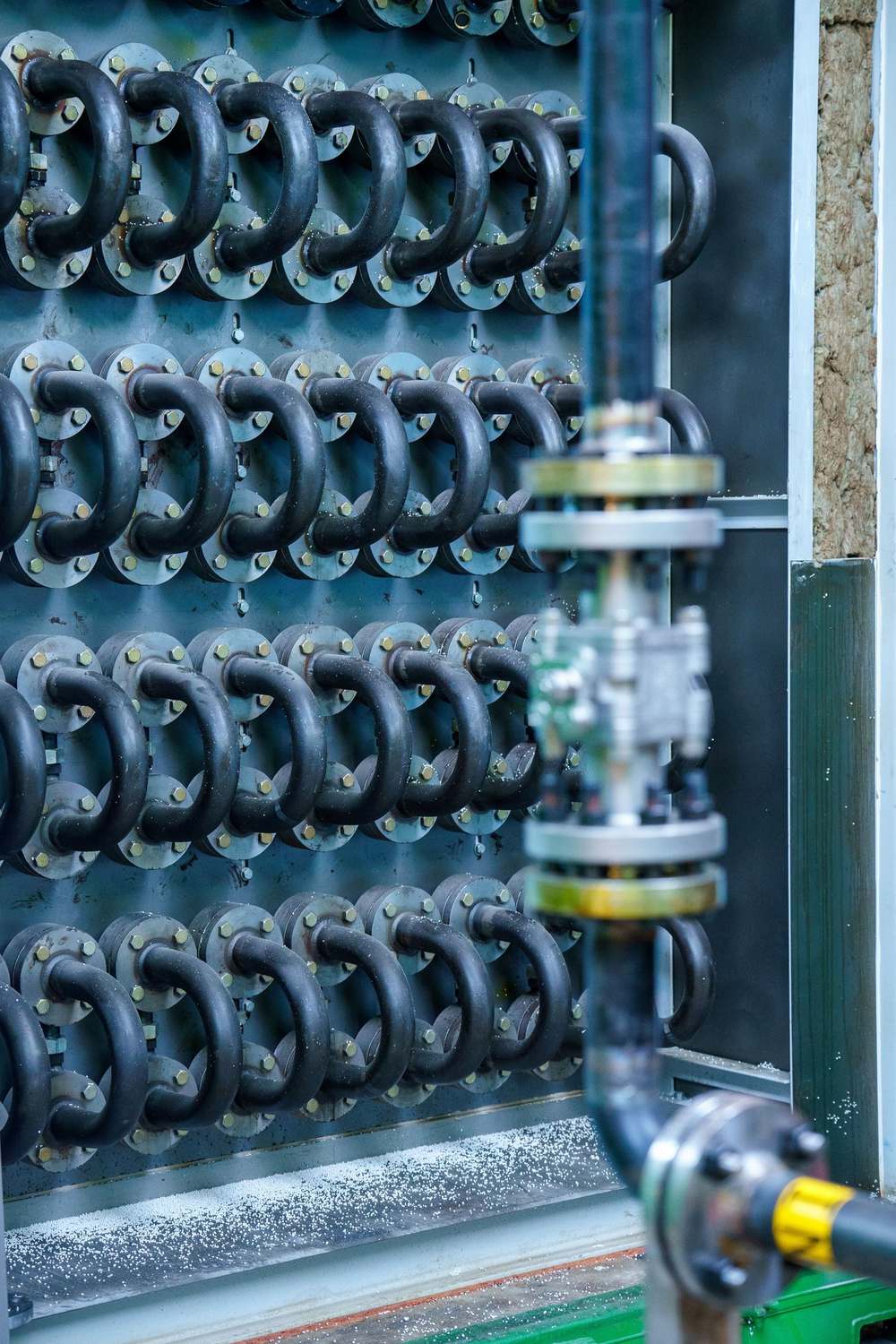
Phoenixville wastewater treatment plant, Pennsylvania (USA)
The station at the Energiepark Grischa
The “Biomasse” (biomass) station at the Energiepark Grischa in Chur compares biogas and HTC. It opened on 24 October 2026.
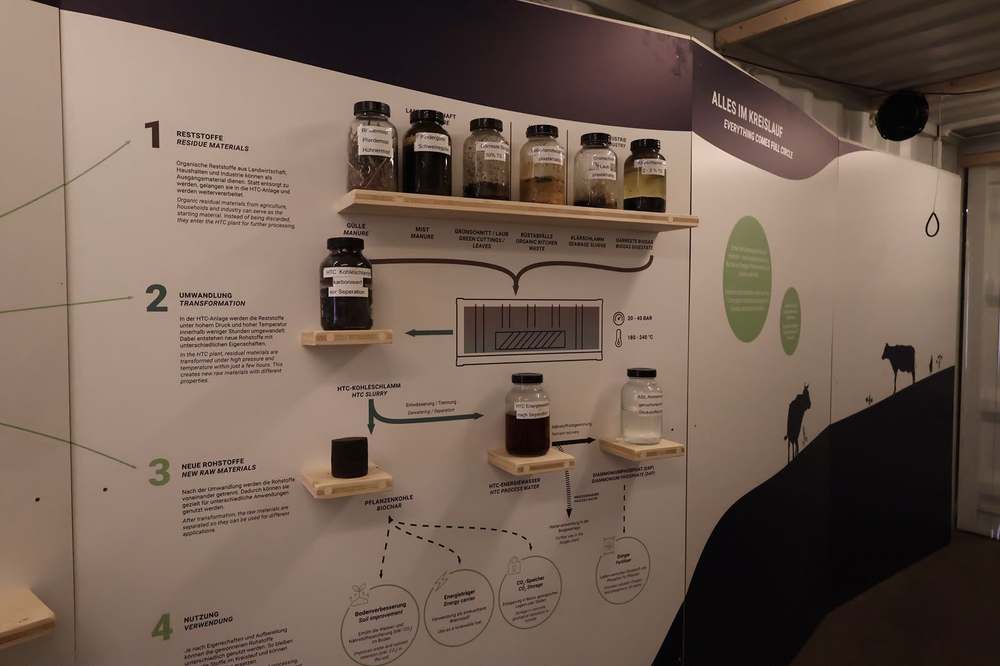
Biogas and HTC station at the Energiepark Grischa 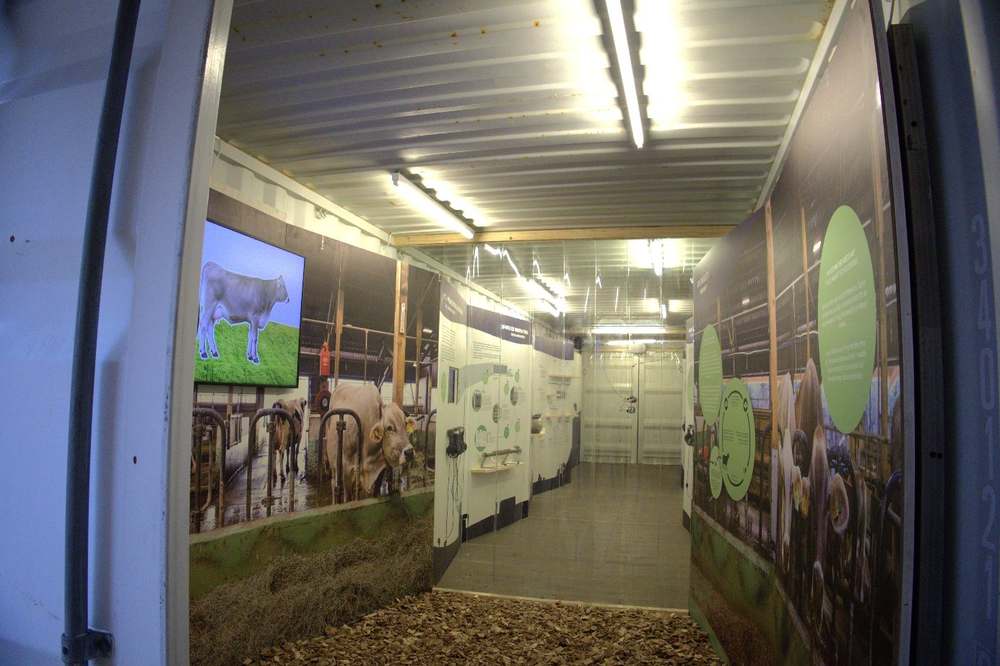
Biogas and HTC station at the Energiepark Grischa
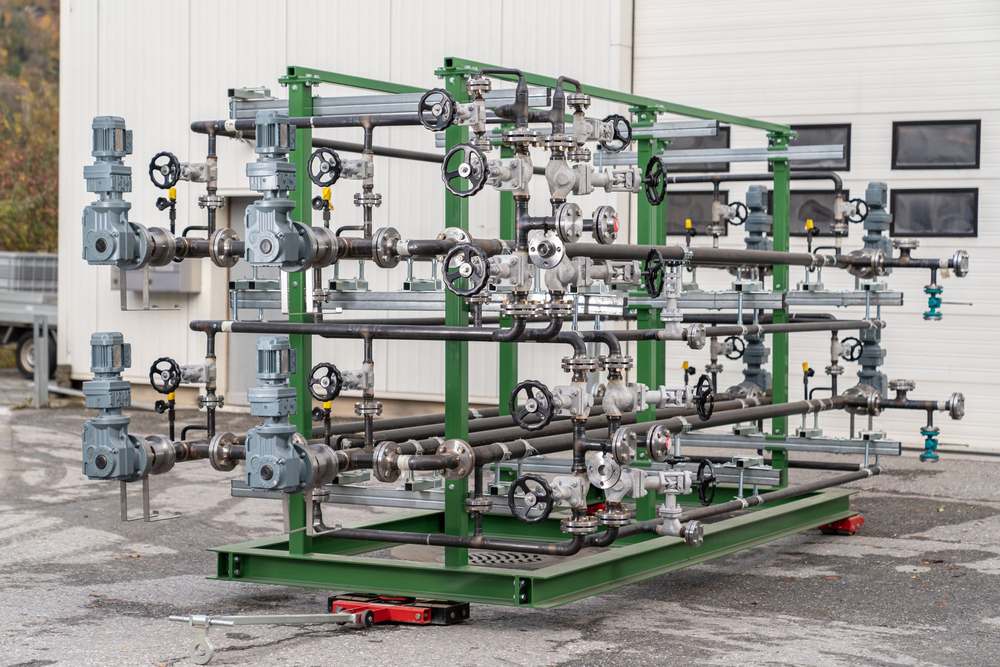
Patent
Our system for hydrothermal carbonisation is protected by European patent EP 4323479 B1 “System and method for hydrothermal carbonization”. The proprietor is GRegio Energie AG; the patent was granted on 6 August 2025.
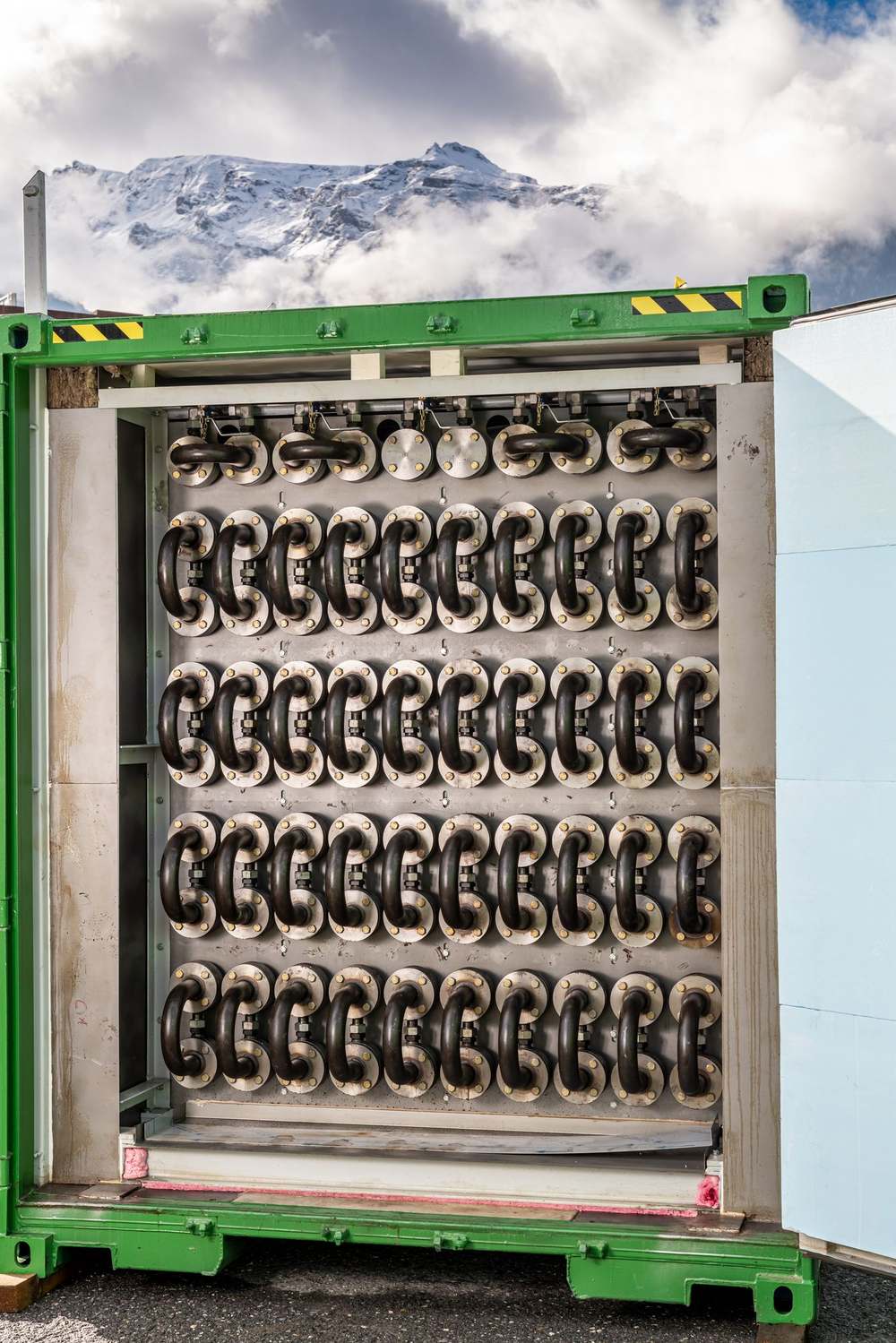
Let us check together whether HTC suits your wastewater treatment plant
If you operate or plan a wastewater treatment plant: in the technical consultation we set out what is proven and what is still under development. We then determine with you whether a feasibility assessment makes sense. Alex Treichler supports the discussions on technical matters; Andreas Mehli is your point of contact.